Visit Logged
  • Select Region
    • All Regions
    • VA to NC Line
    • North Carolina
    • South Carolina
    • Georgia
    • Eastern Florida
    • Western Florida
    • Florida Keys
    • Okeechobee Waterway
    • Northern Gulf
    • Bahamas
    • New York
    • Ohio
    • Pennsylvania
    • Washington
    • Puerto Rico
    • Minnesota
    • Maryland
    • Tennessee
    • NW Waters
    Order by:
    • Bridge Clearance Explained by Sean Welsh USCG Licensed Master

      Our thanks to Sean Welsh for this excellent, detailed explanation of bridge clearance boards.

      Bridge Clearances Explained
      by Sean Welsh USCG licensed Master inland, Mate near coastal
      I was asked by the moderation team to write a few words about bridge clearance markings, after the comments
      on a recent post revealed that there is a lot of confusion on the subject. That seemed straightforward, but, as it
      turns out, it’s messy. That probably accounts for some of the confusion, so let me see if I can shed some light.

      There is a standard for these markings, which are officially known as “Vertical Clearance Gauges” on the ICW
      and other federal waterways, codified in federal law as 33 CFR § 118.160. Among other things, this standard
      requires black markings on a white background, “foot marks” (horizontal lines of a specific size), specific spacing
      of numbers, location at the right side of the channel, and regular maintenance.

      This Vertical Clearance Gauge complies with the regulations. “Foot marks” every foot show the clearance; on this board the numerals are next to the foot marks every other foot. This board reads just a hair over 65′, as the entire foot mark and a little white below it is visible.

      If all bridges were marked according to this standard this would be an easy post to write. But the reality is that state or county road maintenance departments, railroads, and other bridge owners, and not the federal government, are actually responsible for installing markings on bridges, and there appears to be little consequence for these entities when they break federal law by straying from the standard. The bridge that prompted this post, the infamous Wilkerson Bridge in North Carolina, is one of the many non-compliant bridges and thus the source of much confusion.

      My own photo. This board, not compliant with standards. This board reads a couple of inches more than 64′. It’s hard to read because non-compliant colors have been used and the agency has failed to “… maintain each gauge in good repair and legible condition.”

      Apart from the markings being a noncompliant white on a green background, the gauges on this bridge also lack
      foot marks (horizontal lines) of any kind, and have numbers every foot. Since the numerals are 12" tall, this
      means each number abuts the numbers above and below it. This is by no means the only bridge with this type of
      marking, but it gets the most discussion here because the bridge is lower than ICW standards and is on a non-
      tidal stretch of waterway, making it a tight fit for many sailboats.

      On this type of clearance gauge, the clearance to low steel is between the largest number that is completely visible (not covered by any water at all) and the next larger number that is wholly or partially under water. This is a critical point to remember, because the human brain wants to see the largest number that is “mostly” visible, and count upwards from there. Among other things, this is because we are conditioned to see numbers  increase from lower to higher elevations, and on a bridge gauge it’s the other way around.

      This stands in contrast to many standards-compliant gauges, where the numerals are often (but not always) next to, rather than above, the foot marks. When you see a gauge where the foot marks fall mid-numeral, it is the bottom edge of the mark, and not the bottom edge of the numeral itself, that shows the level.

      On the ICW, most compliant numerals will be either 12 or 18 inches tall and spaced every two feet. But on bridges sized for ships or large tows, which need to be visible from much further away, you will find gauges where
      numerals may be spaced five or ten feet apart and are much larger in size. Compliant gauges, whether on fixed or movable bridges, show the clearance to “low steel” which is the lowest hard part of the bridge that is directly over the navigation channel. The edges of the channel are defined by the  red channel limit lights, which are often on the fenders but sometimes hang below the span. If you stray outside these markers you may have lower clearance. Also, the “range lights” which are the green mid-channel lights that hang below the span, are not considered “low steel” and thus may hang down lower than the clearance measurement. If your clearance is close, pass between the range and the channel limits and do not take the range down the middle.

      Having said that, once again there are some agencies out there installing non-compliant gauges and I have seen
      some, notably on drawbridges, which show the clearance “at center” as noted on the sign. When in doubt, call
      the bridge tender and ask. They are generally not allowed to tell you the clearance, but they can usually state
      whether the gauge reads low steel or center-span, and in the case of low steel gauges, how much additional
      clearance may be available center span.

      While I am on the subject, now is a good time to remind everyone that bridge clearances marked on charts show
      the low steel clearance at “mean high water” (MHW) for tidal bridges, and at “normal pool” for river bridges.
      Actual clearance may be less; spring tides can be well above MHW and there may be freshet on top of that, and
      river pools vary greatly.

      Bridges, their clearances, and movable bridge regulations and schedules can be found in the relevant edition of
      the Coast Pilot. Every skipper should carry the local Coast Pilot edition on board, available as a free download.
      Temporary clearance changes, for example due to construction work, can be found in the current issue of the
      Local Notices to Mariners (LNMs), which, again, every skipper should download and check as part of their
      voyage planning.

      Be the first to comment!

    • Pace of cyclone strengthening has doubled since 1971 by Jennifer Allen

      The total number of Atlantic tropical cyclones that strengthened from weak Category 1 storms into major hurricanes within a 36-hour window has more than doubled in the last 50 years, a new analysis finds.

      Kitty Hawk’s oceanfront is shown not long after high tide while Hurricane Sandy was passing North Carolina Oct. 29, 2012, from the center line of N.C. 12, which is covered by sand, water and debris. Photo: NCDOT

      Click here for Pace of cyclone strengthening has doubled since 1971
      CoastalReview.org

      Be the first to comment!

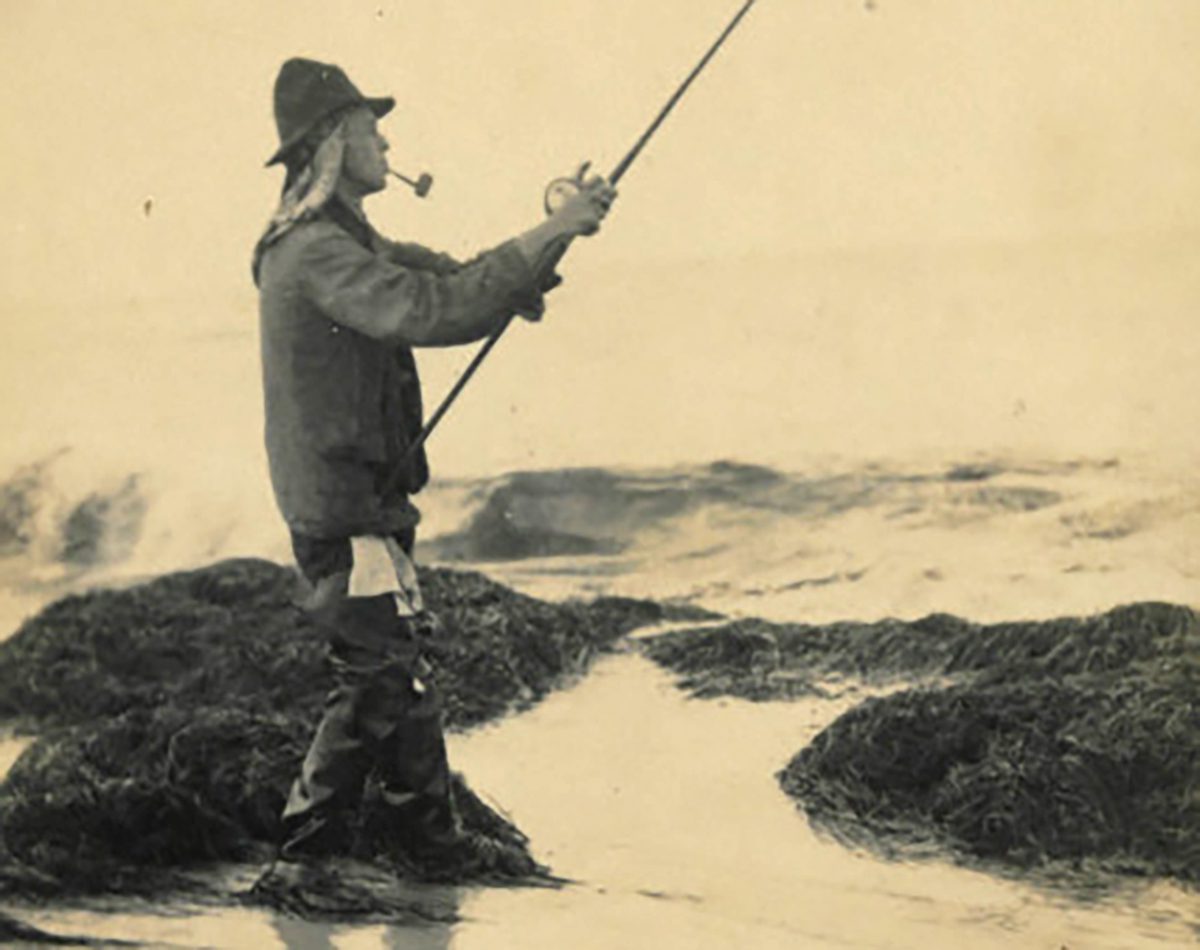
    • ‘Millions Have Been Made’: Frank Stick changes careers by Gilbert M. Gaul

      Second in our series: Frank Stick was looking to land more than a few bluefish when he visited the Outer Banks in the 1920s, the illustrator and sportsman saw opportunity here.

      Frank Stick is shown fishing along the New Jersey coast in the 1920s. Photo courtesy of the Maud Hayes Stick Collection at the Outer Banks History Center/N.C. State Archives

      Click here for ‘Millions Have Been Made’: Frank Stick changes careers
      CoastalReview.org

      Be the first to comment!

    • Uncovering the improbable tale of multifaceted Frank Stick by Gilbert M Gaul

      New series: Two-time Pulitzer Prize winner Gil Gaul dives into newspaper clippings, archives and other sources to reveal the complex story of the New Jersey artist, outdoorsman, developer and speculator who filled miles of Outer Banks beaches with vacation houses.

      Click here for Uncovering the improbable tale of multifaceted Frank Stick
      CoastalReview.org

      Be the first to comment!

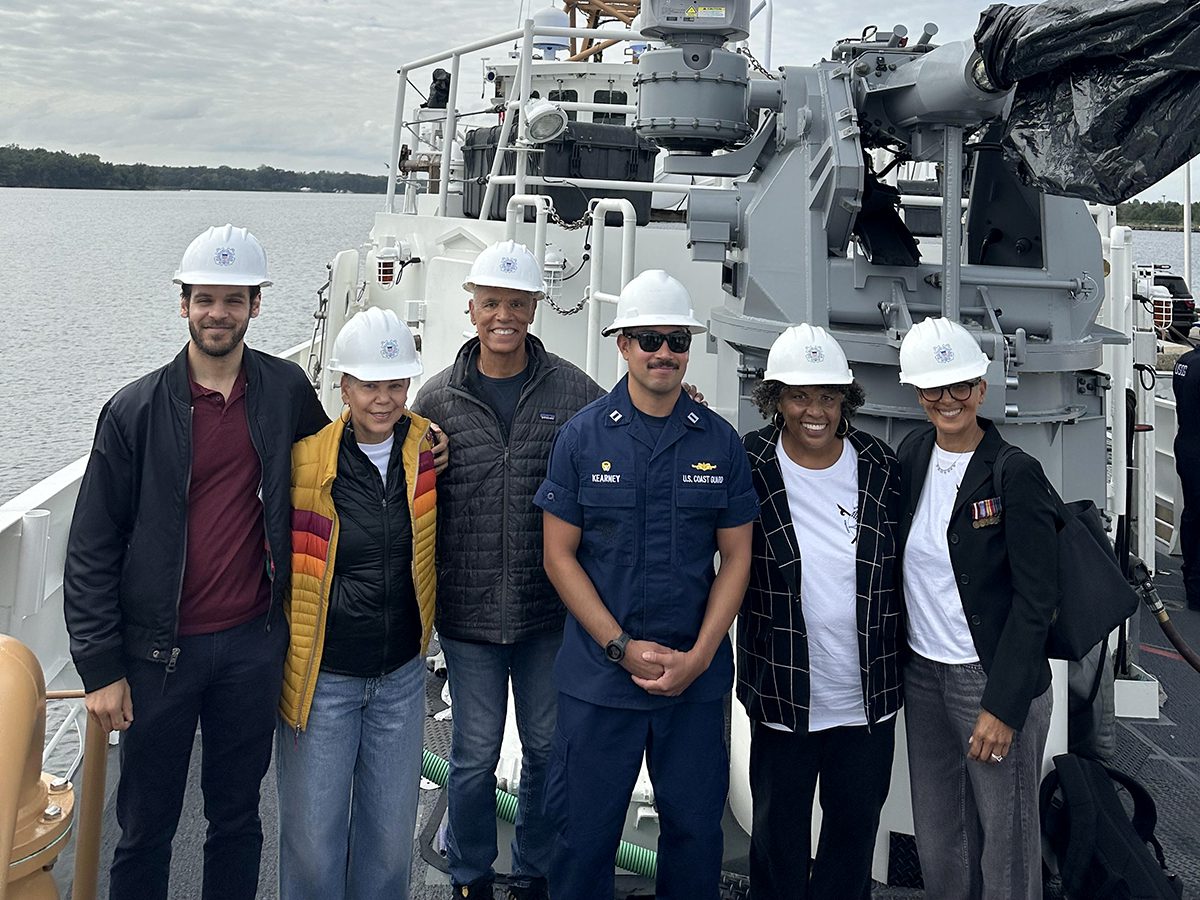
    • A special time to remember the 1896 E.S. Newman rescue

      Joan Collins, second from right, and members of her family, from left, Patrick Jefferson, Deborah Jefferson, Marshall Collins, and far right, Sharon Warner, are shown onboard the deck of the U.S. Coast Guard Cutter Richard Etheridge at the Baltimore Shipyard with Lt. Zackary Kearney, the vessel’s commander. Photo: Sharon Warner

      Click here   A special time to remember the 1896 E.S. Newman rescue by Joan Collins
      CoastalReview.org

      Be the first to comment!

    • Wharf pilings and sawdust: Visiting Hyde’s lost villages, Hyde County, NC

      Drawing from maps created by a teacher and his students, historian David Cecelski aims to get a feel for the lumber mill villages in Hyde County that have long since disappeared.

      Hyde County road map, 1936. Lake Mattamuskeet occupies the map’s center-right section. The Pungo River forms the county’s western boundary. The body of water to the south and southeast is the Pamlico Sound. We can see the southern part of the Alligator River in the map’s upper righthand corner. Courtesy, State Archives of North Carolina

      Click here for Wharf pilings and sawdust: Visiting Hyde’s lost villages by David Cecelski
      CoastalReview.org

      Be the first to comment!

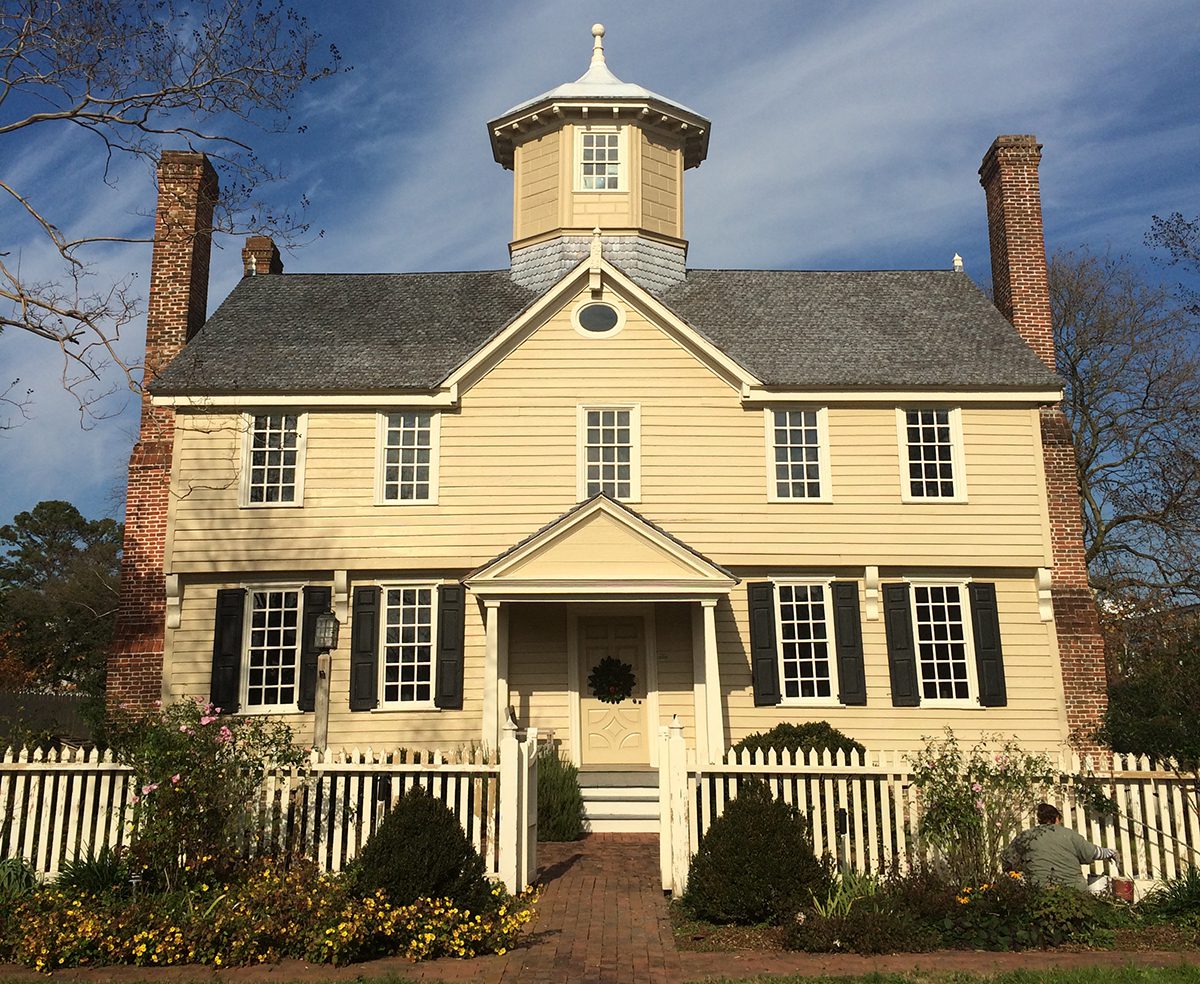
    • Edenton’s history ‘an everyday part of life’ for its residents, Edenton, NC


      Edenton, NC - the prettiest town in the South!

      A longtime CRUISERS NET SPONSOR, historic Edenton always has an exciting calendar of events and places to visit! Edenton is at the mouth of the Chowan River on the northwest shore of Albemarle Sound.​​

      The 1758 Cupola House is at 408 S. Broad St. in Edenton. Photo: Eric Medlin

      Click here for Edenton’s history ‘an everyday part of life’ for its residents by Eric Medlin
      CoastalReiew.org

      Click Here To View the North Carolina Cruisers Net Marina Directory Listing For Edenton Harbor City Docks

      Click Here To Open A Chart View Window Zoomed To the Location of Edenton Harbor City Docks

      Be the first to comment!

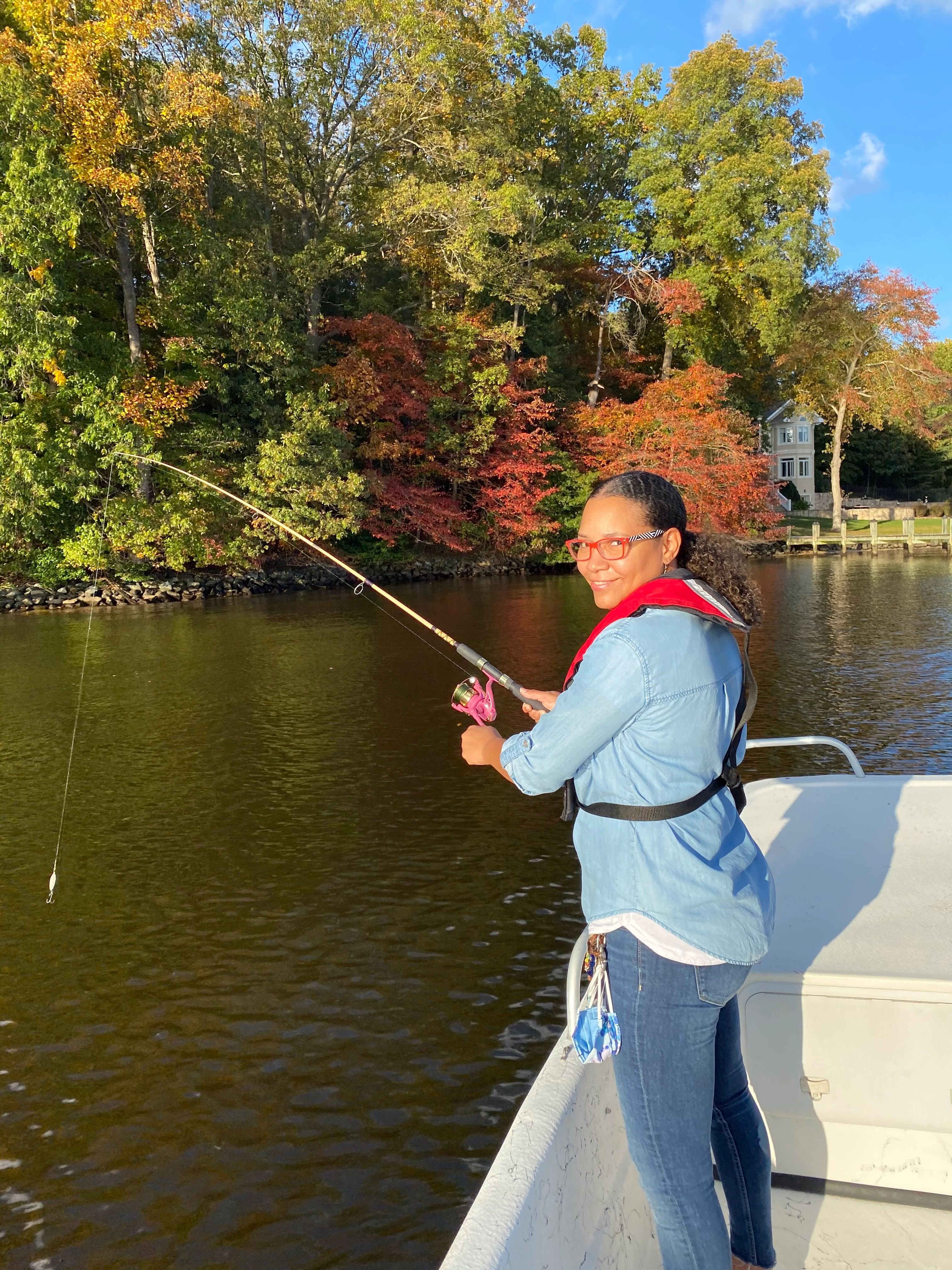
    • BoatUS: What’s Different About Fall Boating? 3 On-Water Safety Tips

      BoatUS

      BoatUS is the leading advocate for boating safety in the US and A CRUISERS NET SPONSOR!

      Wearing a life jacket is important for fall fishing and boating. After an accidental overboard in cold waters, it could buy you just enough time to help you safely get back aboard.

      Click here for  BoatUS: What’s Different About Fall Boating? 3 On-Water Safety Tips

      Be the first to comment!

    • Maxeon Announces 3GigaWatt Factory in Albuquerque, NM

      Sun Powered Yachts

      Our thanks to Lyall and Katie Burgess, owners of Sun Powered Yachts, A CRUISERS NET SPONSOR, for bringing this good news to our attention.

      Maxeon has announced a solar panel factory to be built in New Mexico, so that’s panels made here in the USA, a bonus, and with a potential production output of 3 gigawatts – which to put into context is 6.3 million of the 470W panels being made each year!

      Lyall Burgess

      Click here for more details  Maxeon Announces 3GigaWatt Factory in Albuquerque, NM

      Be the first to comment!

    • New South Carolina Boating Law Strengthens Safety Requirements

      South Carolina is currently one of only four US states with no boater education requirements. The new bill will add South Carolina to the majority of states that require boating safety courses for some or all boaters. 

      Click here for New South Carolina Boating Law Strengthens Safety Requirements
      Steinberg Law Firm

      Comments from Cruisers (3)

      1. Rick Brass -  September 15, 2023 - 7:04 pm

        As the article points out, South Carolina is one of only 4 states that did not have a similar training requirement. Whether the boater training is actually adequate or not is open for discussion. IMHO, in person classes done by the Power Squadron or USCG Auxiliary are probably pretty good – the states that only require on-line computer classes that comply with the content standard not so much.

        I lived in the Midwest until the mid-90's. My state already had a law back then. And like the South Carolina law, the requirement is for everyone whose birthday is prior to a certain date. Anyone younger than about 45 from my former home has to have had the training by now, or to get it if they acquire a boat.

        Since most fatal boat accidents involve excess alcohol, I suspect that you are right that younger boaters in their 20's and 30's are probably involved in a disproportionate share of accidents. Rigorous enforcement of BWI laws would probably have a larger impact on safety than training of young people, but that doesn't make the training requirement a bad idea.

        BTW, the USCG publishes statistical data on boating accidents and events like boat fires every year. Look on the Coast Guard website if you want to find it.

        Reply to Rick
      2. Phil Barbalace -  September 15, 2023 - 2:17 pm

        As a follow up on my comment last month how about a breakdown on boating accidents by age responsible?
        Without that data, we're just blowing smoke and can't be sure we're actually addressing the problem.
        Anyone?

        Reply to Phil
      3. Phil Barbalace -  August 25, 2023 - 12:30 pm

        I would like to see some STATISTICS on boating accidents/fatalities from states that have these laws and those that don't. And do these laws make a difference? 16 years old or younger? Like driving a car, I suspect many if not most boating accidents are caused by older teenagers and those in their 20s.

        Reply to Phil
    • Scientist urges more Vibrio awareness as risk moves north

      Vibrio is a vicious, flesh-eating bacteria that can kill within 48 hours of exposure to warm, brackish water.

      Original locations of the 709 confirmed nonfoodborne V. vulnificus infections reported to the Cholera and Other Vibrio Illness Surveillance, or COVIS, database between 2007 and 2018 within 125 miles of the coast, in blue. Graphic: “Climate warming and increasing Vibrio vulnificus infections in North America” report

      Click here for Scientist urges more Vibrio awareness as risk moves north
      CoastalReview.org

      Be the first to comment!

    • Buddy Boating – Bob Arrington, Passagemaker

      There are a litany of good reasons to travel with other vessels, but due diligence is required to have realistic expectations.

      Click here for  Buddy Boating  by Bob Arrington from Passagemaker, September, 2023

      Be the first to comment!

    • Advice on Hiring a Captain – Captain John Easley

      Riviera Dunes Marina Just off Tampa Bay Owned and Operated by Boaters
      Twin Dolphin Marina, 1000 1st Ave. West, Bradenton, Florida 34205-7852, 941.747.8300 - fax 941.745.2831, e-mail: harbormaster@twindolphinmarina.com

      Our thanks to Capt. John Easley for granting permission to reprint this article originally posted on Forum at America’s Great Loop Cruisers Association.

      On a fairly regular basis, people call or write to me asking about the process of hiring a captain to help move their vessel.  Often, the move will involve training the new owners on the boat’s systems and effective handling.  Sometimes they relate some absolute horror stories of previous captains they have hired.  Stories about captains who refused to let them drive and offered little to no instruction, stories about captains that showed up late, surly, and drunk, and even one story about a captain that tied up their boat at an overnight stop and walked away without even saying goodbye.

      Many of you already know me… I am a USCG-licensed 100 ton Master (captain) and a proud sponsor of the America’s Great Loop Cruisers Association (AGLCA).  Here are my thoughts on finding a good crew:

      You can get a feel for the potential for a good working relationship by asking a few questions and looking for a couple of traits.  Sound like an interview?  Well, it is.  But, if you approach it like a conversation, it need not be stressful. 

      First, ask about the kinds of vessels on which the prospective captain acquired his or her sea time; the kinds of vessels they normally run.  There are 500 ton captains out there, trying to break into the recreational vessel delivery business, and all of their sea time was acquired while working the deck of a large tugboat working the Mississippi River.  What makes them think that experience translates to a 50’ motor yacht?  There is at least one captain trying to break into the motor yacht delivery business and his or her sole experience is on 25’ center console fishing boats.  Maybe he or she is very good.  Or maybe they need some progressive experience working up to a 60’ Hatteras before trying to train someone else on how to dock one in a modest wind.  Those are decisions you will need to make in order to feel comfortable with your crew selection.

      There are stories of captains that quickly tell you what they’re going to do for you and that’s that.  Want more?  Look for the person that listens to what you want, asks questions about your previous experience, discusses your needs, and tailors their service to fit.  

      Perhaps you have a business or personal obligation that will keep you from making the journey to relocate your vessel to its new home port.  Now you’re looking at trusting your multi-hundreds of thousands of dollars baby to a crew you likely haven’t even met.  You have every right to ask for references.  Also, an experienced captain will have a way to keep you informed of your boat’s location and status through the travels.  He or she may also discuss parameters for handling any necessary repairs while underway.

      A common question is about the costs involved in hiring a captain.  We all have pretty much the same terms:  A daily rate, transportation to and from the vessel, and meals.  Fairly standard.  The daily rate might vary a little from one captain to another but if you’re talking to one who has a rate far exceeding the others, you have every right to ask why.  What does this person do that is so special it is worth the extra high fee?  The other side of the coin is the one whose rate is well below the average of the others you speak with.  

      A service-friendly captain will also be able to handle special requests.  Driving for a special event so the owner and guests can relax, helping the bride and groom escape/depart from a reception, boat naming ceremonies, spreading a loved one’s ashes at sea, or incorporating teens into the deck hand duties.  We often get calls to join the boat to help with a Gulf of Mexico crossing or crossing to the Bahamas from Florida.  We handle such requests like water rolling off a dolphin’s back.

      Captains aren’t hard to find.  Ask your broker or the dockmaster at your local marina or a fellow boater on a vessel similar to yours.  Chances are you’ll have a fistful of names in short order.  There are a number of licensed captains who are also AGLCA sponsors.  You can find a list of us on the AGLCA website or by asking other members.  We’re here for you and ready to discuss your needs.  Drop us a note or give us a call.  Happy boating!

      John Easley

      Be the first to comment!


    Social Media Auto Publish Powered By : XYZScripts.com