| October 26, 2026 | City of Gulfport, FL – Gateway to the Gulf Newsletter |
| |
| E-Newsletter: Monday, October 19, 2026 Missed last week’s update? Click here to read it now. |
| Upcoming Events See what’s happening this month. |
| Senior Center E-news Click here to see what’s happening next. |
| Library Calendar of Events Upcoming activities at the Gulfport Library. |
| Recreation Center Click here to see all classes and activities. |
| Gulfport Community Update Click here to read more. |
| Gulfport Arts & Heritage Click here to see upcoming events. |
|  | Be Prepared This Hurricane Season! |
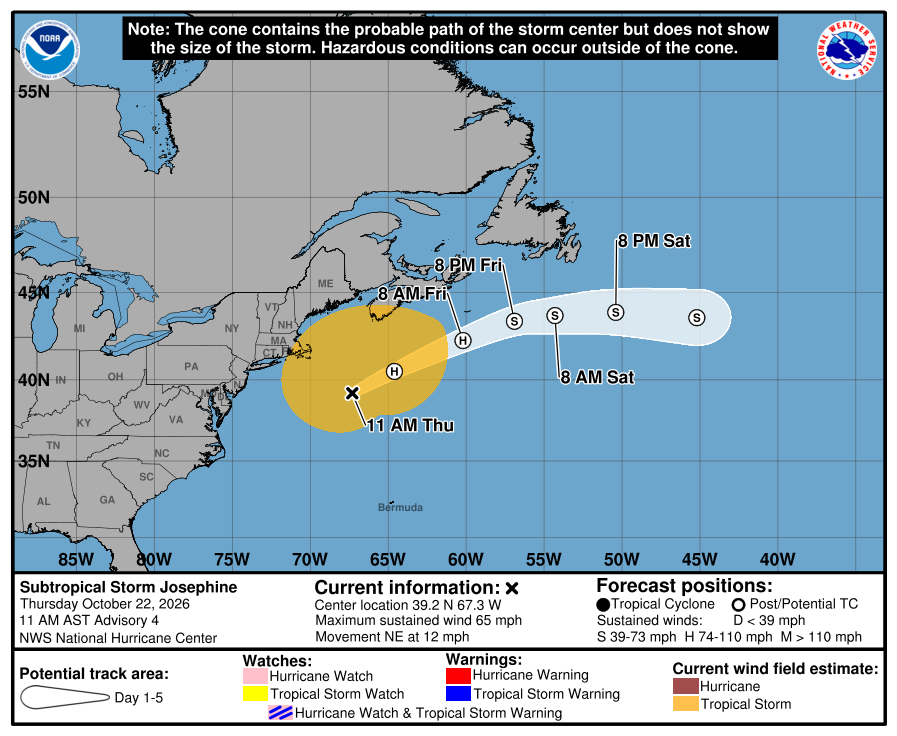
The Atlantic hurricane season ends November 30. Be prepared, visit the City of Gulfport Hurricane Center for important storm preparedness information, resources, and updates. |
|
|
| Good Afternoon, Gulfport, Two resolutions affecting residents of Gulfport were passed at last Tuesday’s meeting. House Bill 803 mandates that all municipalities change the way they charge for permits. In the past, the charge was based on the value of the project, or the “cost of the job.” Now, fees are calculated using a cost-recovery system, based on the actual administrative cost. A resident who recently obtained permits estimated that one of her permits would have cost a little less and the other a little more under the new state-mandated system. The new fee structure will be implemented once the necessary updates to the City’s permitting software are complete. In the past, our rates at the marina were divided into resident and non-resident charges. Residents always received a discount compared with non-residents. That will now be true for residents operating a business in the marina as well. At the last meeting, the Council voted to add a surcharge to all commercial businesses operating out of our marina. Our aging marina needs maintenance, and, of course, the cost of operating the marina continues to increase. These surcharges from commercial tenants will help offset the cost of upcoming projects, easing the burden on taxpayers. We have many residents who are interested in a slip at the marina, and as slips become available, we hope to accommodate more of them. -Mayor Love |
|
|
| City Manager’s Gulfport Community Update |
|
|
| Gulfport Community Update: October 18-24, 2026 |
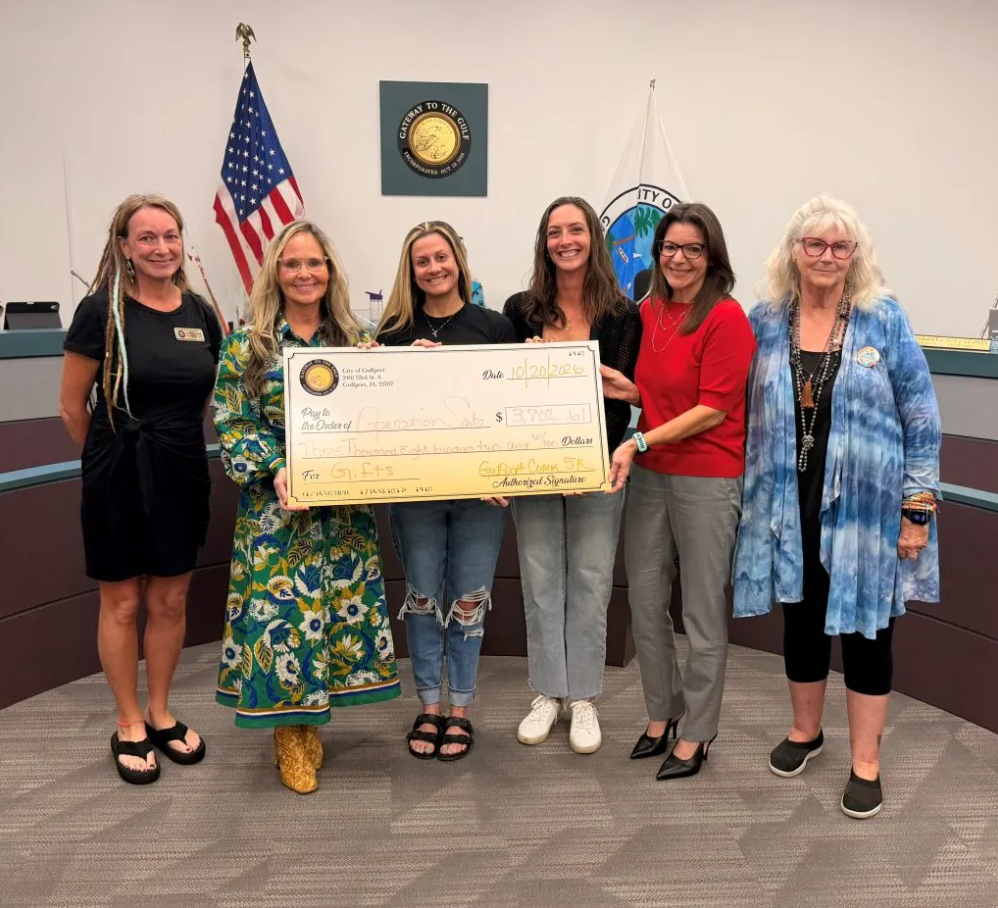
What a successful first year for the Gulfport 5K Run/Walk! Thanks to the support of our participants, volunteers, and community, $3,802.61 was raised for the Gulfport Police Department’s Operation Santa. At the October 20 City Council meeting, a check was presented to support this wonderful program, which helps bring holiday joy to local children and families. Thank you to everyone who helped make our first year such a success and turned miles into smiles for a great cause! |
Daylight Saving Time ends at 2 a.m. on Sunday, November 1, 2026, when clocks are set back one hour. The Gulfport Fire Department recommends replacing the batteries in smoke alarms and carbon monoxide detectors while setting clocks back. Working alarms provide a critical early warning in the event of a fire or gas leak and can save lives. Don’t wait for an emergency to discover your alarm isn’t working. |
|
|
| This Weeks Events & Meetings |
|
|
| | Early Voting: 2026 General Election October 19 – November 1 | 7 a.m. – 7 p.m. 49th Street Neighbrohood Center, 1617 49th St. S. Gulfport residents can vote early for the November 3, 2026 General Election from October 19 through November 1, 7 a.m.–7 p.m. daily, at the Gulfport Neighborhood Center, 1617 49th St. S. Early voting provides a convenient opportunity to cast your ballot before Election Day. Voters must present both photo and signature identification. Be sure to allow enough time to vote and bring the required identification with you. |
|
|
| | Gulfport Tuesday Fresh Market Tuesday, October 27th | 9 a.m. – 2 p.m. Downtown Waterfront District, Beach Blvd. S. The Gulfport Tuesday Fresh Market is a year-round open-air market held in Gulfport’s Waterfront District on Beach Blvd. It also offers a variety of independent shops, boutiques, galleries, its own beach and a large cluster of restaurants, all within easy walking distance. The Fresh Market offers visitors the opportunity for a relaxing day trip in a small town full of “Old Florida” charms. |
|
|
| | Halloween Masks for Kids Tuesday, October 27th | 12:30 -1:45 p.m. Gulfport Arts Center 2726 54th Street South Using paper plates as a base along with construction paper, felt, and other craft supplies, kids will make wearable masks of their favorite Halloween creatures. Supplies limited. Registration required. Sign-up by emailing ArtsCenter@mygulfport.us or call 727-893-1162. |
|
|
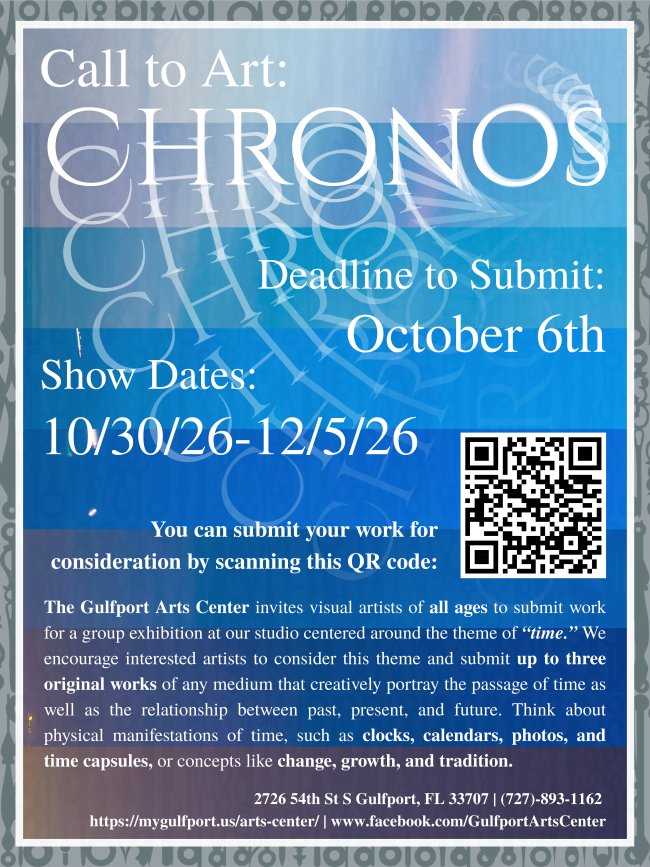
| | Chronos: Community Art Show Reception Friday, October 30th | 5 p.m. Gulfport Arts Center, 2726 54th St. S. The Gulfport Arts Center invites local visual artists of all ages to submit up to three original works in any medium for “Chronos,” a group exhibition exploring the theme of time, including the passage of time and the relationship between the past, present, and future. Submission is free, and all ages, skill levels, and perspectives are welcome. To submit work for consideration, email a photo of your artwork to ArtsCenter@mygulfport.us by October 6, 2026. Artwork will be on display October 30–December 5, 2026, with viewing available during Open Studio Hours: Tuesdays and Wednesdays, 3–7 p.m., and the first and third Saturdays, 10 a.m.–2 p.m. |
|
|
| | Halloween Bash Saturday, October 31st | 4 – 7 p.m. Gulfport Recreation Center, 5730 Shore Blvd. S. Join us Saturday, October 31, from 4–7 p.m. at the Gulfport Recreation Center for an evening of trunk-or-treat, games, music, and a costume contest. The costume contest begins at 5 p.m., with categories for ages 0–3, 4–7, 8–12, 13–17, and family themes. For more information, call 727-893-1068. |
|
|
| | Gulfport Witches Walk & Block Party Saturday, October 31st | 5 – 9 p.m. Celebrate Halloween Gulfport-style at the Gulfport Witches Walk & Block Party on Saturday, October 31! The Witches Walk begins at 5 p.m. at The Village Courtyard, with costumed witches making their way through Gulfport before ending at the Shore Boulevard Block Party. Dress up, cheer on the witches, and enjoy a wickedly fun night filled with Halloween spirit and Gulfport’s signature charm! |
|
|
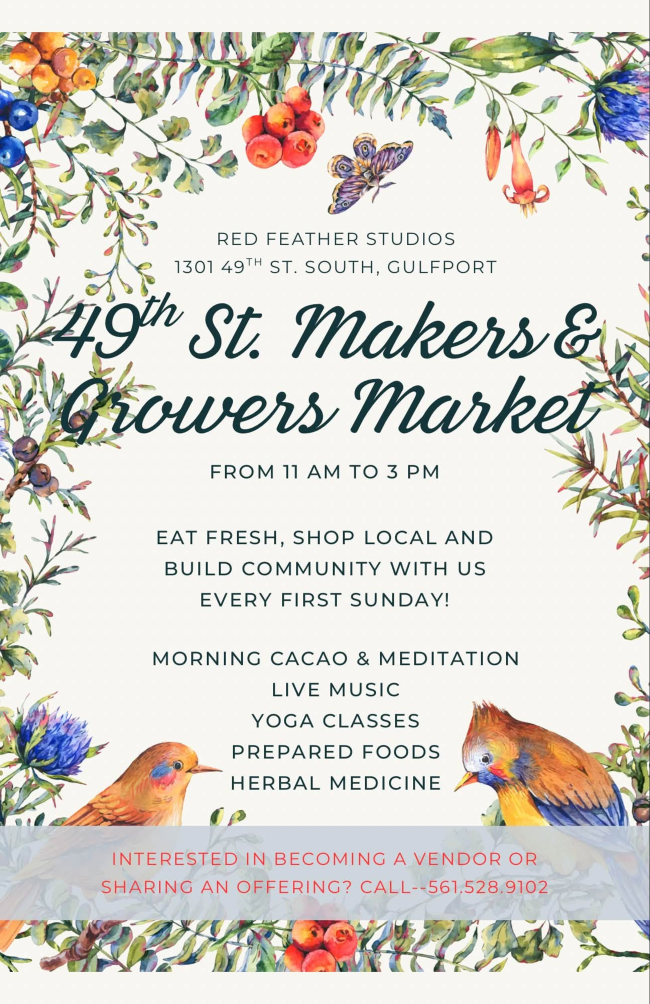
| | 49th St. Makers & Growers Market Sunday, November 1st | 11 a.m. – 3 p.m. Red Feather Studio, 1301 49th St. S. The 49th St. Makers & Growers Market takes place on the first Sunday of each month through May 2, 2027. Browse locally made products, creative health and living goods, handmade items, and more while enjoying live music and a relaxed outdoor atmosphere. The market brings together local makers, growers, wellness-focused vendors, and the community while supporting small businesses and local creatives. |
|
|
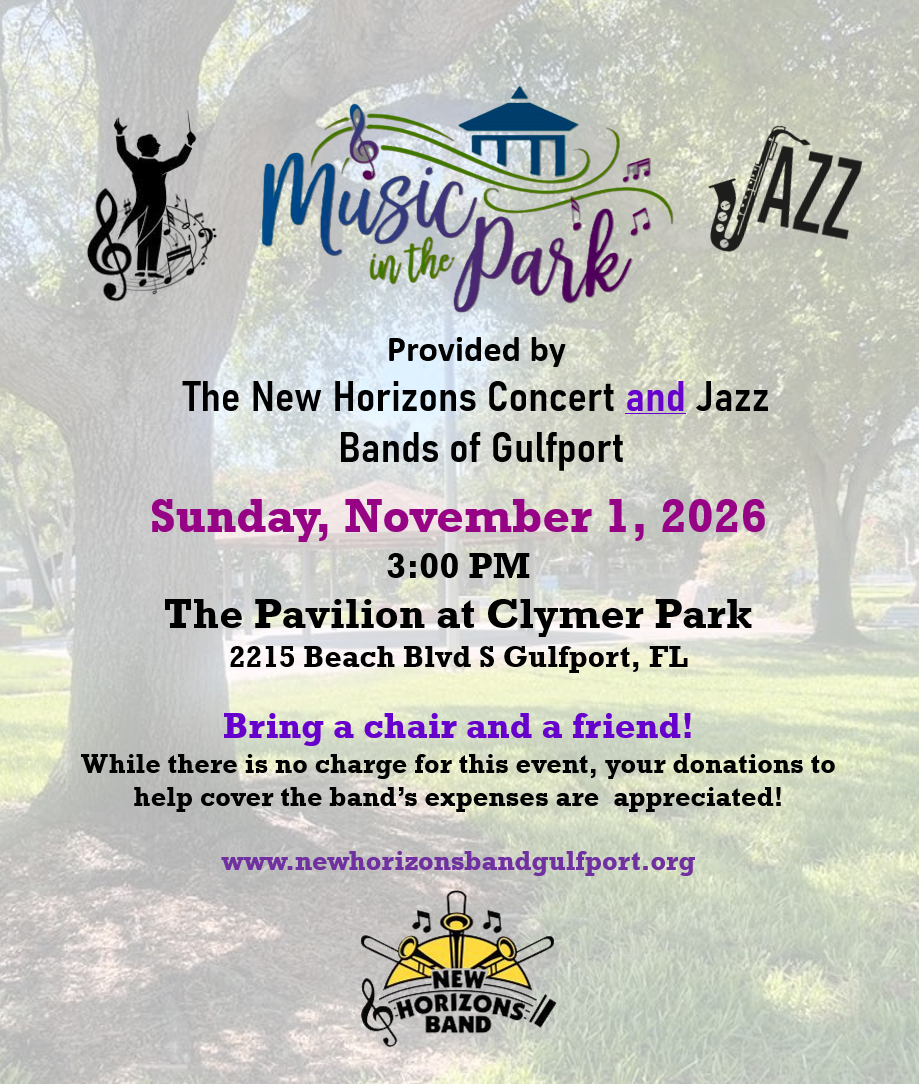
| | Music in the Park: New Horizons Concert and Jazz Bands of Gulfport Sunday, November 1st | 3 p.m. Clymer Park (Pavilion), 2215 Beach Blvd. S. Enjoy an afternoon of live music at the Pavilion at Clymer Park, presented by the New Horizons Concert and Jazz Bands of Gulfport. This free outdoor concert invites everyone to bring a chair, bring a friend and enjoy music in the park. Donations to help cover the bands’ expenses are appreciated. |
|
|
| Upcoming Events & Meetings |
|
|
| | Fusion 49th District General Meeting Monday, November 2nd | 6 – 8 p.m. Recreation Center (Art Room), 5730 Shore Blvd. S. Join us for “First Mondays: Business Activation (We Heard You Series),” a monthly initiative from the Fusion 49th District Team designed to support local businesses with practical, results-driven resources. Created in response to feedback from corridor businesses seeking greater visibility, more customers and consistent support, these monthly sessions provide real tools, actionable strategies and opportunities to help local businesses grow and succeed. Held on the first Monday of each month, each gathering offers hands-on guidance to help strengthen marketing, improve financial understanding, and build sustainable business systems. This series is open to all business owners, entrepreneurs, and anyone interested in starting, growing, or strengthening a business along the corridor. |
|
|
| | 2026 General Election Day Tuesday, November 3rd | 7 a.m. – 7 p.m. City of Gulfport, FL Tuesday, November 3, is Election Day. Polls will be open from 7 a.m. to 7 p.m. Gulfport residents should confirm their assigned polling location before heading to the polls and bring valid photo and signature identification. Gulfport polling locations: Find your assigned polling location and view General Election information through the Pinellas County Supervisor of Elections.Questions? Call 727-464-VOTE (8683). |
|
|
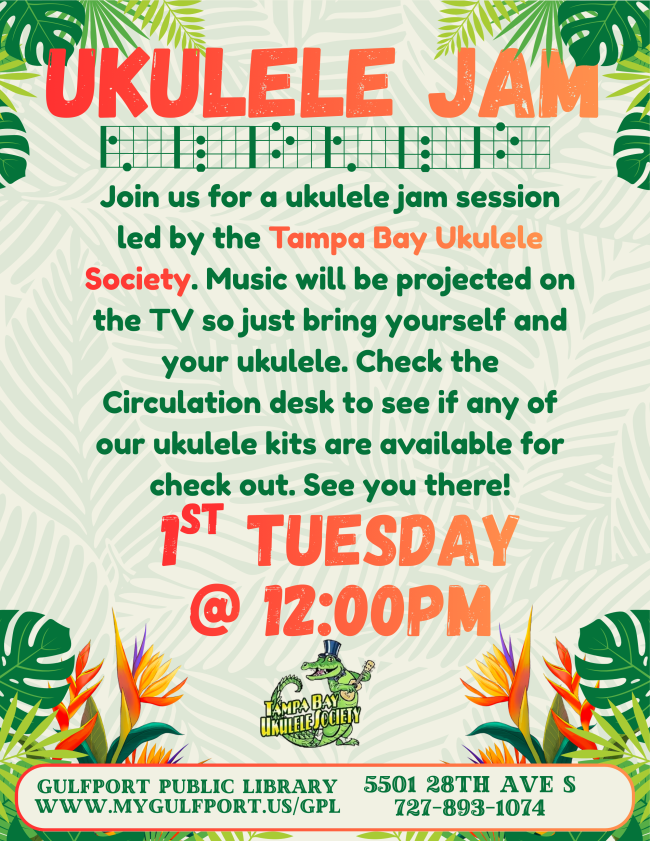
| | Ukulele Jam Tuesday, November 3rd | 12 p.m. Gulfport Public Library, 5501 28th Ave. S. Join us for a ukulele jam session led by the Tampa Bay Ukulele Society. This program is held on the first Tuesday of the month. Music will be projected on the TV so just bring yourself and your ukulele. Check the Circulation desk to see if any of our ukulele kits are available for check out. See you there! |
|
|
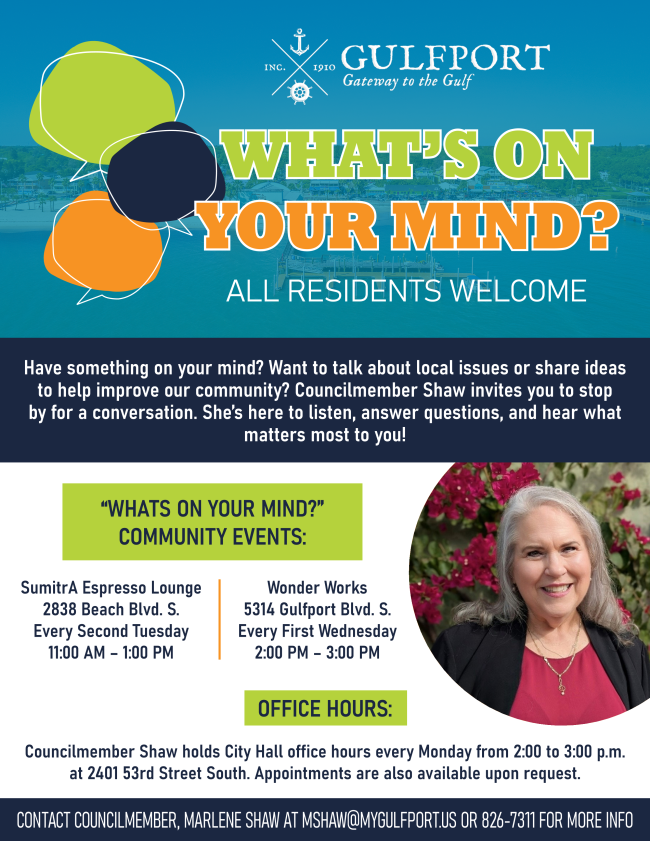
| | What’s on Your Mind? With Councilmember Marlene Shaw – Every First Wednesday Wednesday, November 4th | 2 – 3 p.m. Wonder Works, 5314 Gulfport Blvd. S. Join Councilmember Marlene Shaw for casual conversation and community connection at Wonder Works, 5314 Gulfport Blvd. S., every first Wednesday from 2:00 PM to 3:00 PM. Whether you have questions, concerns, or ideas to share, she’s here to listen and talk about the issues that matter to you. Councilmember Shaw also holds City Hall office hours every Monday from 2:00 to 3:00 PM at 2401 53rd Street South. Appointments are available upon request. Contact mshaw@mygulfport.us or (727) 826-7311 for more info. |
|
|
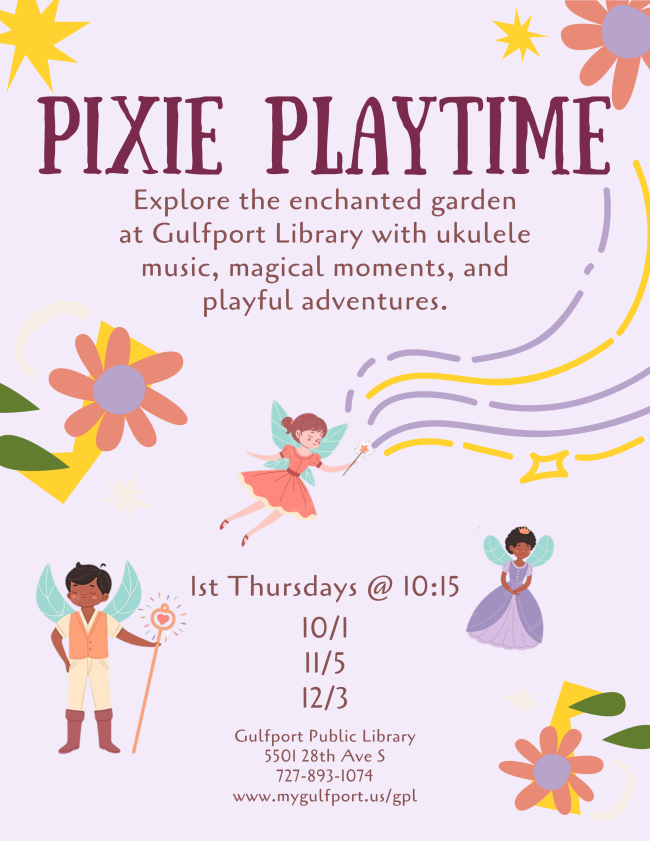
| | Pixie Playtime Thursday, November 5th | 10:15 a.m. Gulfport Public Library, 5501 28th Ave. S. Explore the enchanted garden at Gulfport Library with ukulele music, magical moments, and playful adventures. Recommended for fans of fairies and caregivers of all ages. |
|
|
| | Labyrinth Lights Dance Performance Friday, November 6th | 5 – 8 p.m. Gulfport History Museum, 5301 28th Ave. S. Experience an evening of music, movement, and light on Friday, November 6, from 5–9 p.m. at the Gulfport History Museum. Enjoy a luminary-lit labyrinth featuring a special dance and drum performance by Hip Expression Dancers and Drummers. This free community event is part of the TimeWeaving Community Labyrinth project and Creative Pinellas’ Art Everywhere initiative. Free and open to the public. |
|
|
| First Friday Gulfport Night Market Friday, November 6th | 5 – 9 p.m. Beach Blvd. S. (Waterfront District) Formally known as Art Walk on the first Friday and IndieFaire on the third Saturday, these recurring monthly events will launch for 2025 branded as the Gulfport Night Market. The night market concept unites the energy of the former events, offering an evening marketplace experience with vibrant local offerings from local makers, artisans, and small business vendors to engage the community and visitors as they shop, stroll, and sip in beautiful downtown Gulfport. |
|
|
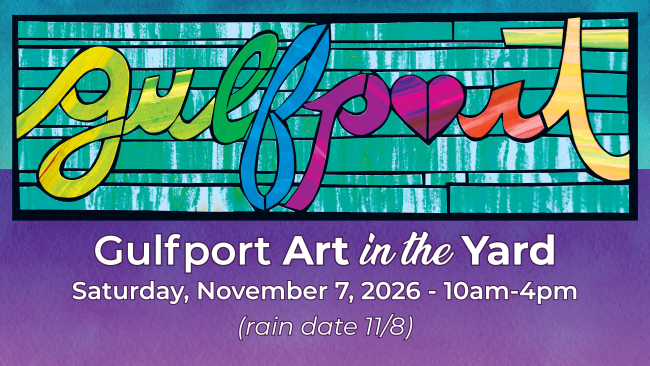
| | Gulfport’s Art in the Yard, Community Art Sale Saturday, November 7th | 10 a.m. – 4 p.m. City of Gulfport, FL Shop original artworks during the City of Gulfport Art in the Yard Community Art Sale, 10 a.m.–4 p.m., Saturday, November 7. In the event of rain, the sale will take place Sunday, November 8. This bi-annual community art sale transforms the charming City into an open-air gallery, showcasing the talent and creativity of local artists in their own front yards. A Google map of participating artists can be found at, https://mygulfport.us/gulfport-art-in-the-yard. |
|
|
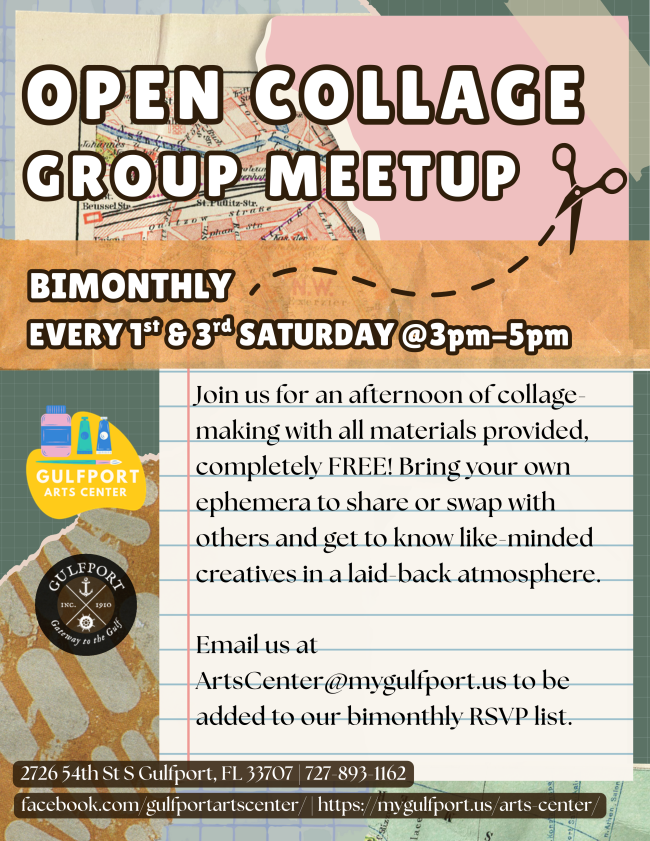
| | Collage Group Share & Swap for Teens & Adults Saturday, November 7th | 3 p.m. Gulfport Arts Center, 2726 54th St. S. Open to collage artists and enthusiast of any skill/experience level. Feel free to bring materials to share and swap with others. Scissors and glue sticks will be provided. |
|
|
| Heroes Weekend Veterans ParadeSunday, November 8th | 11 a.m. Downtown Waterfront District, Beach Blvd. S. Registration is now open for Gulfport’s annual Veterans Parade, taking place Sunday, November 8, at 11 a.m. Join the community as we honor the brave men and women who have served our nation. Register by Monday, November 2, at 3 p.m. |
|
|
| City Hall & Facilities Closed for Veterans Day Wednesday, November 11th | All Day City of Gulfport, FL City Hall and City facilities will be closed on Wednesday, November 11, in observance of Veterans Day. Regular operations will resume on Thursday, November 12. |
|
|
| | Gulfport Environmental Team (G.E.T.) Meeting Thursday, November 12th | 6 – 8 p.m. 49th Street Neighborhood Center, 1617 49th St. S. Join the Gulfport Environmental Team (G.E.T.) each month at 6 p.m. at the 49th Street Neighborhood Center. G.E.T. brings residents and volunteers together to support environmental stewardship, sustainability and a greener Gulfport. Learn about local tree initiatives, urban forestry, community planting opportunities and ways to help protect and enhance Gulfport’s natural spaces. Community members interested in getting involved are welcome to attend. |
|
|
| | Gulfport Community Players present “The 39 Steps” November 12 – 22 | Thurs. – Sat. at 8 p.m. & Sat. – Sun. at 2 p.m. Catherine Hickman Theater, 5501 27th Ave. S. The Gulfport Community Players present The 39 Steps, a fast-paced comedy inspired by Alfred Hitchcock’s classic 1935 spy thriller, November 12–22 at the Catherine A. Hickman Theater, 5501 27th Ave. S. Follow a hero on the run through dastardly villains, biplane crashes, romantic entanglements, quick costume changes, and plenty of laughs. Performances are Thursday–Saturday at 8 p.m., with Saturday and Sunday matinees at 2 p.m. |
|
|
| Permit Free City-Wide Yard SaleSaturday, November 14th | Dawn – Dusk City of Gulfport, FL Registration is now open for Gulfport’s Permit Free City-Wide Yard Sale, taking place Saturday, November 14, from dawn to dusk throughout the City. Residents can register to have their yard sale address included in the event brochure and Google Maps. Register by Friday, October 30, at 2 p.m. to be included. |
|
|
| | Mayor’s Community Walk: Discover Gulfport Walking Trail Saturday, November 14th | 8 – 11 a.m. Gulfport Beach (Pavilion #6), Shore Blvd. S. Join Mayor Love on Saturday, November 14, for a guided community walk along the Discover Gulfport Walking Trail. Check-in begins at 8 a.m. at Pavilion #6 on Gulfport Beach, with the walk starting at 9 a.m. This free event is a great way to get active, explore Gulfport, and connect with neighbors and community leaders. |
|
|
| | Blues, Art & Seafood Festival Saturday, November 14th | 10 a.m. – 8 p.m. Trolley Market Square, 4900 Tangerine Ave. S. The Fusion 49th District and the City of Gulfport invite you to Trolley Market Square on Saturday, November 14, from 10 a.m. to 8 p.m. for a full day of live blues music, local art and vendors, seafood and other food offerings, and community activities. Come enjoy a celebration of Gulfport’s creativity, culture and community along the 49th Street corridor. |
|
|
| | Land Blessing and Thanksgiving Address Friday, November 20th | 4 – 6 p.m. Gulfport History Museum, 5301 28th Ave. S. Join the community for the Land Blessing and Thanksgiving Address at the Gulfport History Museum. Celebrate the future site of Gulfport’s permanent TimeWeaving Community Labyrinth with a special community blessing and dedication, followed by an interactive art activity where participants can create their own art object to become part of a collaborative labyrinth experience. Free and open to the public. |
|
|
| | Free Document Shredding and Medication Drop-Off Saturday, November 21st | 9 – 11 a.m. Senior Center, 5501 27th Ave. S. Join Pinellas County Consumer Protection on Saturday, November 21, from 9–11 a.m., or until the truck is full, at the Gulfport Senior Center (5501 27th Ave. S.) for free document shredding and medication drop-off. Shredding is limited to three boxes or bags per vehicle. Metal clips and binders must be removed; staples are permitted. For more information, call 727-464-6200. |
|
|
| Free Community Tree GiveawaySaturday, November 21st | 9 – 11 a.m. Clymer Park (Greenway), 23rd Ave. S. & Beach Blvd. S. The City of Gulfport invites residents to the Free Community Tree Giveaway at Clymer Park, part of our ongoing Plant a Tree initiative. Gulfport residents with a driver’s license or water bill for proof can receive free trees to enhance their property and support the city’s environmental sustainability efforts. For more information, please contact the Parks & Facilities Superintendent at 727-893-1092. |
|
|
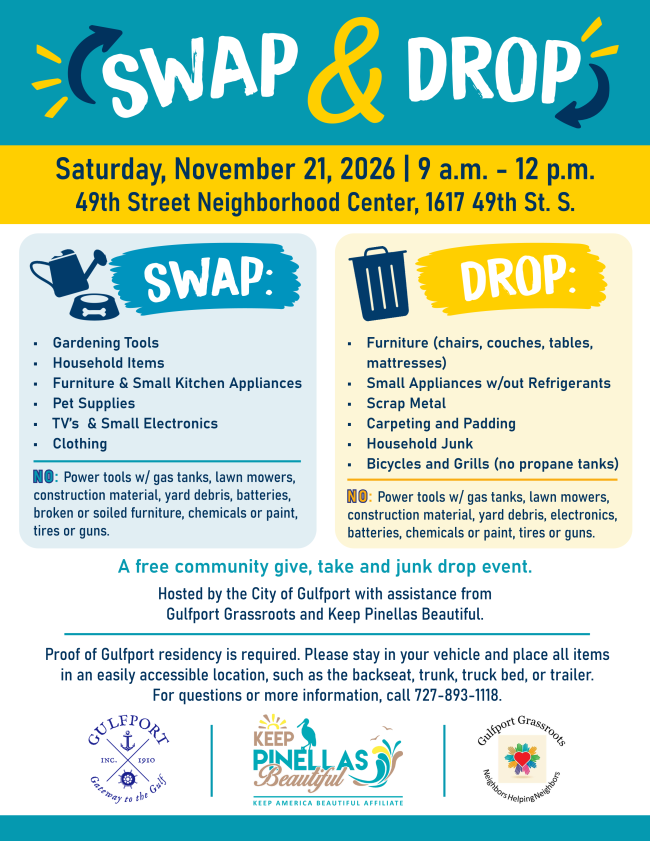
| | Swap & Drop Saturday, November 21st | 9 a.m.- 12 p.m. 49th Street Neighborhood Center, 1617 49th St. S. The City of Gulfport, Gulfport Grassroots and Keep Pinellas Beautiful invite Gulfport residents to the Swap & Drop at the 49th Street Neighborhood Center. Residents can bring unwanted household items for free disposal or swap usable goods with neighbors, helping reduce waste and promote reuse and sustainability. For a smooth drop-off, participants should remain in their vehicles and have items easily accessible in a trunk, backseat, truck bed or trailer. Open to Gulfport residents only; proof of residency is required. |
|
|
| Third Saturday Gulfport Night Market Saturday, November 21st | 5 – 9 p.m. Beach Blvd. S. (Waterfront District) The Gulfport Night Market operates year-round from 5pm to 9pm on the first Friday and third Saturday of each month. The Gulfport Merchants Chamber is proud to partner with the Tampa Bay Markets team to work directly with new and returning vendors and to manage the Gulfport Night Market events. Tampa Bay Markets is a local events management company that operates 13 successful local markets and special events within the greater Tampa Bay Area, celebrating its 15th anniversary year of operation. |
|
|
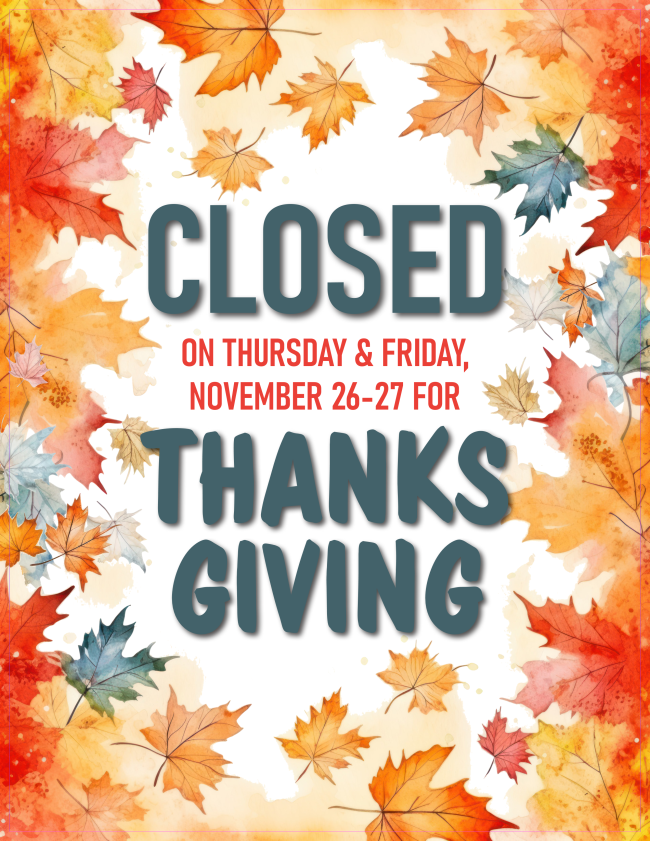
| | Thanksgiving Closures & Sanitation Schedule Thursday & Friday, November 26 – 27 | All Day City of Gulfport, FL City Hall and City facilities will be closed Thursday and Friday, November 26 and 27, in observance of Thanksgiving. Thursday’s sanitation routes will be collected on Wednesday, November 25. Friday’s routes will remain on schedule, but there will be no weekly yard waste collection. The Gulfport Marina will be open on Friday, November 27. |
|
|
| Explore Gulfport’s past! Click here to view digitized City records from 1920 – 1974. |
| Gulfport History Museum Online Collection View the Museum’s online collection here. |
| Latest Beach Water Quality Sampling Data See the latest report here. |
| Gulfport Charter & Code of Ordinances Online access is provided at the following link. |
| Bill Payment Options View and pay Utility & Marina Billing accounts online here. |
| Employee Directory Click here to view the Gulfport Employee Directory. |
| “Take 2 on Tuesdays” with Mayor Karen Love |
In Case You Missed It! Last week’s Take 2 on Tuesdays featured staying informed |
|
|
| SeeClickFix – Service Request Center The City of Gulfport uses SeeClickFix to receive, route, and track non-emergency service requests. Residents can report community concerns, submit the location of the issue, upload photos, and monitor progress through the online portal. Use the portal to report issues such as potholes, sidewalk damage, drainage concerns, traffic sign issues, graffiti, park maintenance concerns, sanitation issues, and code compliance matters. |
|
|
| Gulfport Connects: Bringing the Community Together Register for Gulfport Connects, an online volunteer platform designed to strengthen connections between residents, local organizations, and City departments. The platform provides a simple, reliable way to match community needs with volunteer support – both during emergencies, and in everyday life. Nonprofits, community groups and City departments can post and manage volunteer opportunities, track service hours, and coordinate projects, while residents can sign up for activities that match their interests and log their service. Visit https://gulfport.galaxydigital.com or email dmather@mygulfport.us to be added to the portal. Gulfport Connects transforms lessons learned into lasting community strength, keeping Gulfport connected and resilient every day. |
|
|
| Modified Phase III Water Shortage Restrictions Extended Through March 31, 2027 The Southwest Florida Water Management District (SWFWMD) has extended the Modified Phase III “Extreme” Water Shortage Order through March 31, 2027, due to ongoing drought conditions and low regional water supplies. All Gulfport residents, including those using private wells or pumps, must continue following the one-day-per-week irrigation schedule. Lawn and landscape watering is allowed only between 12:01 a.m. and 4 a.m. or 8 p.m. and 11:59 p.m. on your assigned watering day. Watering Schedule (based on the last digit of your address): - 0–1: Monday
- 2–3: Tuesday
- 4–5: Wednesday
- 6–7: Thursday
- 8–9: Friday (also applies to common areas and properties without a numbered address)
Residents are encouraged to conserve water by following these restrictions and using water wisely. For the complete watering schedule and additional conservation tips, visit the Pinellas County Watering Schedule and Rules page. Questions? Email Water.Restrictions@WaterMatters.org or call (813) 856-5679 during business hours. |
|
|
| Pinellas County Waives Tire Disposal Fees to Help Reduce Mosquito Breeding Gulfport residents can dispose of up to four unwanted residential tires for free at the Pinellas County Solid Waste Disposal Complex, 3095 114th Ave. N., St. Petersburg, through October 30. The temporary fee waiver aims to reduce mosquito breeding by eliminating places where mosquitoes can lay eggs. Tires must be less than 36 inches in diameter, and residents must show a valid driver’s license as proof of Pinellas County residency. The fee waiver applies to residential tires only and does not apply to businesses. Businesses can find information about applicable tire disposal fees at Pinellas County Solid Waste Disposal Complex Fee Information at https://pinellas.gov/solid-waste-disposal-complex-fee-information. For disposal hours and additional information, visit Pinellas County Solid Waste Disposal Complex at https://pinellas.gov/solid-waste-disposal-complex-hours. |
|
|
| Flood Safety Reminder: Turn Around, Don’t Drown Heavy rainfall can quickly cause flooding on roadways. Drivers are reminded to never drive through flooded streets or around barricades. Water may be deeper than it appears, and driving through standing water can create wakes that push water onto nearby homes and properties. Please obey all posted signs, road closures, and No Wake restrictions. If you encounter a flooded roadway, turn around and find an alternate route. Help keep yourself, your neighbors, and our community safe. Be safe. Stay dry. |
|
|
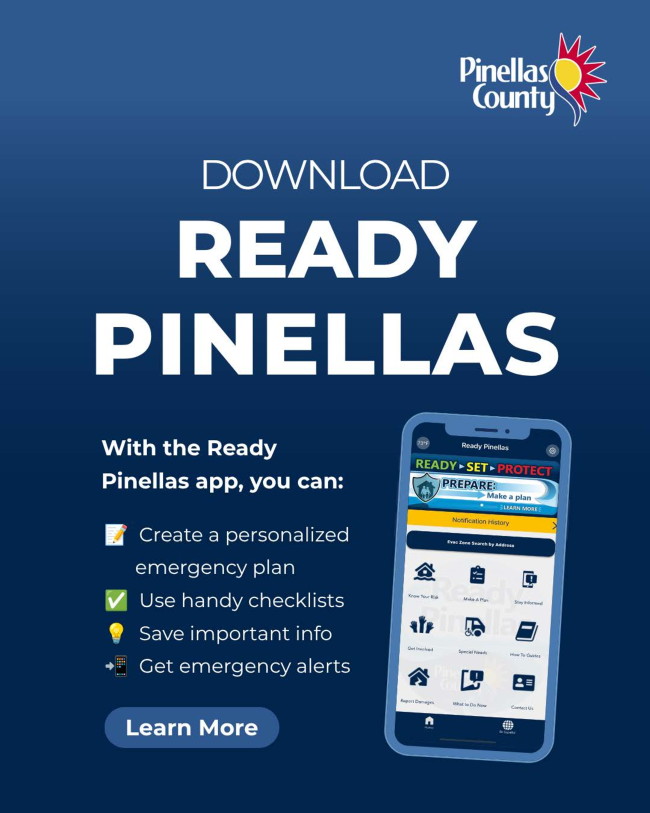
| Be Hurricane Ready: Stay One Step Ahead Stay one step ahead as peak hurricane season approaches. The best time to prepare is before a storm is on the way. - Download the free Ready Pinellas app to create your emergency plan, use an emergency kit checklist, and keep important info at your fingertips.
- Sign up for Alert Pinellas to receive emergency notifications about evacuations, severe weather, boil water notices and other urgent situations.
Get started today: Ready Pinellas – https://pinellas.gov/ready-pinellas Alert Pinellas – https://pinellas.gov/alert-pinellas |
|
|
| Gulfport Encourages Boater Safety and Storm Preparedness During Hurricane Season Now that storm season is underway, the City of Gulfport encourages residents and boaters to take proactive steps to protect life and property during severe weather events. Boaters are urged to relocate vessels to safe harbors or designated hurricane holes when possible, secure anchors and mooring lines, remove loose items and sails, test bilge pumps and batteries, and document vessels for insurance purposes. Staying alert to local weather updates and evacuation guidance is also essential to reducing risk and improving safety on the water. In addition, the City’s Hurricane Preparedness webpage provides a centralized resource to help residents prepare for, respond to, and recover from hurricanes, flooding, and other emergencies. The page includes evacuation zone details, shelter information, flood safety guidance, sandbag usage instructions, pet preparedness resources, debris removal information, emergency contacts, and links to additional county and state emergency management tools. Residents are encouraged to stay informed and prepared before, during, and after storms by visiting https://mygulfport.us/hurricane. |
|
|
| Gulfport Residents: Take Extra Precautions Against Mosquitoes Pinellas County Mosquito Control is reporting increased mosquito-borne virus activity following recent rainfall. Residents are encouraged to follow the 3 Ds: Dress in protective clothing, Defend with insect repellent, and Dump or cover standing water around your property. Mosquito Control has increased treatments throughout the county. Help protect our community by checking your property for standing water and eliminating mosquito breeding areas. |
|
|
Gulfport: Don’t Miss Out on Hurricane Recovery Grants! The People First Hurricane Recovery Programs are here to support homeowners, renters, and local landlords impacted by Hurricanes Idalia, Helene, or Milton. These programs provide funding and assistance to repair damage, prevent long-term displacement, and make housing safer and more affordable. Eligible Gulfport residents may apply online at https://recover.pinellas.gov or by calling (727) 606-3307. Case managers are available by phone, at county offices, and during community pop-up events to help guide applicants through the process. |
|
|
| | Let’s Keep Gulfport Beautiful and Our Streets Clean! Keeping grass clippings out of the street helps protect our bay, prevent flooding, and keep roads safe. Bag, compost, or blow clippings back onto your lawn to recycle nutrients naturally. Every small action helps keep Gulfport clean, green, and beautiful. Thank you for doing your part to care for our community! |
|
|
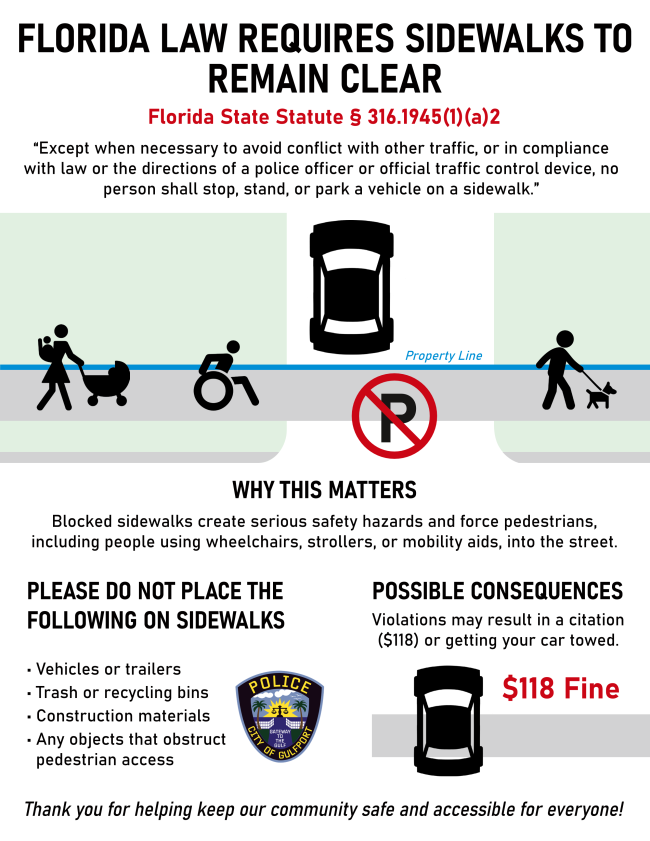
| A Message from the Gulfport Police Department: Keep Sidewalks Clear Help keep Gulfport safe and accessible for everyone by keeping sidewalks clear. Under Florida Statute 316.1945, vehicles and other obstructions are not permitted on sidewalks, as they can create serious hazards, especially for pedestrians using wheelchairs, strollers, or mobility aids. Violations may result in fines or towing. Thank you for doing your part to keep our community walkable and safe! |
|
|
| Utility Marking: Decoding the Marks Seeing colored flags or paint in your yard or along the street? Those markings mean underground utilities have been located within public rights-of-way or utility easements before contractors start work. They help prevent damage and keep everyone safe. Remember, these markings show public utility lines, but private lines, like irrigation, outdoor lighting, or propane may still be underground and unmarked. Always call 811 before you dig. It’s free, it’s the law, and it helps prevent damage, outages, and injuries! |
|
|
| 1976 Bicentennial Time Capsule Photographs Photos from the opening of Gulfport’s 1976 Bicentennial Time Capsule are now available online. Explore this special collection and take a look back at a unique piece of our community’s history. |
|
|
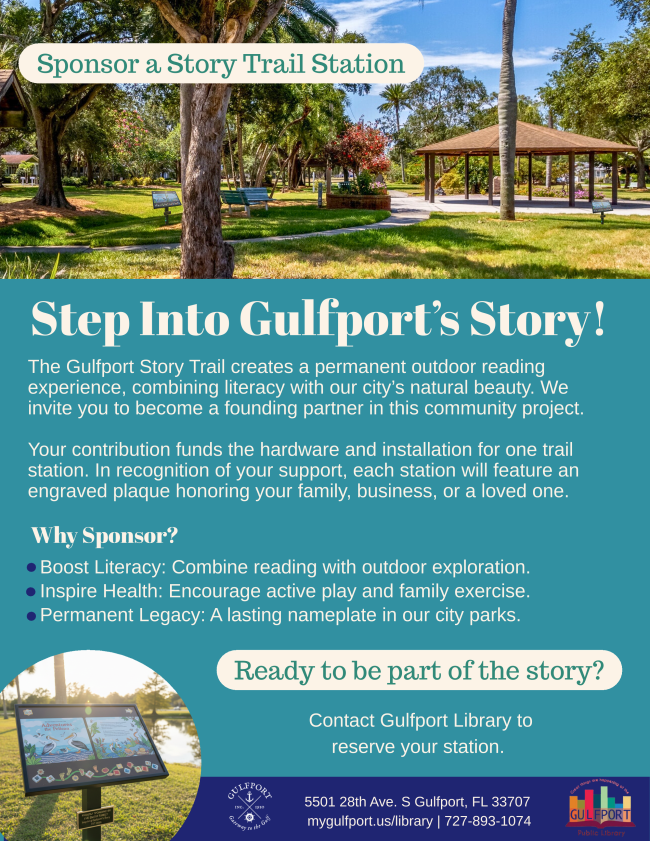
Gulfport Public Library Story Trail Initiative The Gulfport Public Library is inviting community members and local businesses to help bring a new outdoor literacy experience to life through the Gulfport Story Trail. This interactive project will transform a park pathway into a walking storybook, with illustrated pages displayed along the trail so families can read together while exploring Gulfport’s parks. To help make the project possible, the library is seeking sponsors for approximately 20 outdoor reading stations. Each sponsored station will include an engraved plaque recognizing the donor, business, or honoring a loved one. Once completed, the Story Trail will promote literacy, encourage physical activity, and provide a year-round resource for families, schools, and visitors. For more information or to become a sponsor, contact the Gulfport Public Library at libraryinfo@mygulfport.us or 727-893-1074. |
|
|
| City of Gulfport Adopt-a-Drain Program Did you know that keeping storm drains clear helps reduce roadway flooding, protects our local waterways, and keeps our community safe? The City of Gulfport’s Adopt-a-Drain Program makes it easy to make a big impact right in your own neighborhood. Simply choose a storm drain near your home, workplace, or favorite walking route, monitor it regularly, and remove leaves and debris as needed. After clearing debris, contact Gulfport Public Works at (727) 893-1089 for pickup. It’s a simple way to protect our streets and our shoreline, one drain at a time! |
|
|
City of Gulfport Utilities Department Online Utility Service Application The City of Gulfport Utility Billing – Customer Service Division provides an online Utility Service Application, making it easy for new customers to start water, sewer, sanitation, stormwater, and recycling service. The secure online form allows applicants to upload required documents and submit everything from any computer or mobile device. In-person assistance is still available at Gulfport City Hall for those who prefer to apply in person. The application can be accessed anytime at: mygulfport.us/utilities/utility-account-application-form. Applications submitted before 3:00 p.m., Monday through Friday, are eligible for same-day activation. For more information, visit mygulfport.us/utilities or contact Utility Billing – Customer Service at utilitiesinfo@mygulfport.us or (727) 893-1016. |
|
|
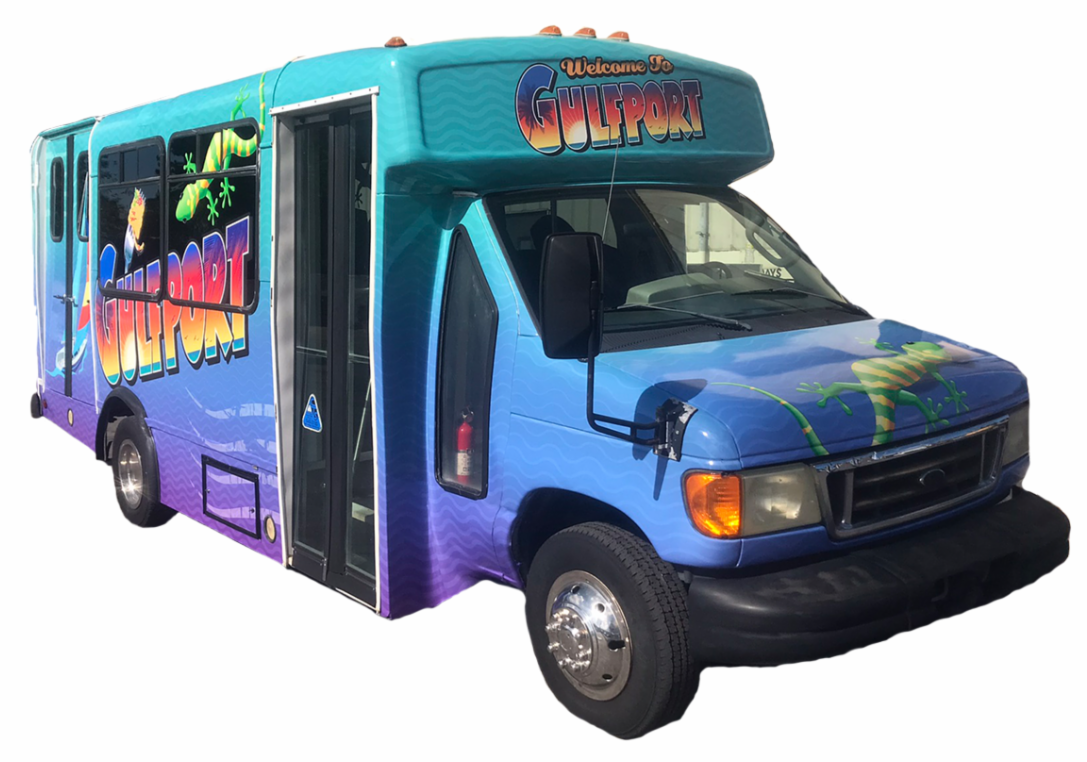
| City of Gulfport Special Events Trolley/WRD Looper The City of Gulfport Special Events Trolley/Waterfront Redevelopment District (WRD) Looper services large-scale special events and the First Friday and Third Saturday Night Markets from 5 to 9 p.m. and the Second Saturday’s at Trolley Market Square from 4 – 8 p.m. throughout the year. For more information and to view all of the Loopers convenient pickup spots, please visit https://mygulfport.us/trolley/. |
|
|
| Improving Lives Through the Power of Information & Hope At First Contact, our goal is to have a community that is connected and informed regarding critical health and human service information for those who need help and those who are willing to volunteer or donate their time to local community agencies. |
|
|
| Care About Me confidentially helps all residents of all ages, insured or not, by eliminating the guesswork or need to search for local behavioral health services by creating a space where residents or family members of individuals in non-crisis can call in, speak directly with experienced behavioral health specialists who can triage their needs, and get an appointment scheduled with a local provider. For more information, visit https://careaboutme.org or call 1-888-431-1998. |
|
|
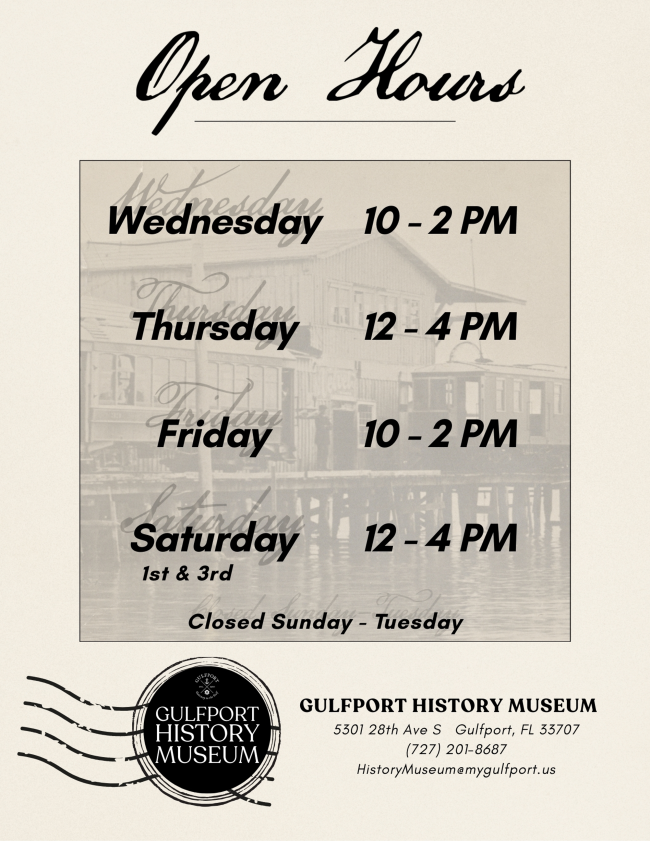
| Gulfport History Museum Operating Hours- Monday & Tuesday: Closed
- Wednesday: 10 a.m. – 2 p.m.
- Thursday: 12 – 4 p.m.
- Friday: 10 a.m. – 2 p.m.
- Saturday: Noon – 4 p.m. (1st and 3rd Saturdays)
- Sunday: Closed
727-893-1161 | historymuseum@mygulfport.us |
|
|
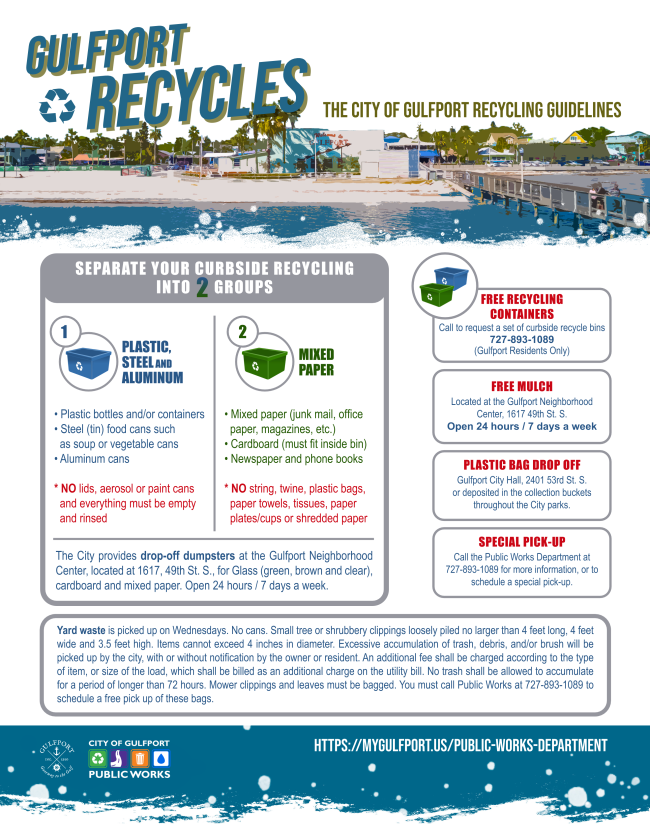
| Gulfport provides once-a-week collection of household recyclables. Curbside service is provided to all single-family and duplex homes, apartment/condo complexes, mobile home parks and smaller businesses. Items collected are plastic containers and jugs, steel cans, aluminum cans, mixed paper, cardboard and newspaper. A drop-off center is located at the Neighborhood Center, 1617 49th Street South, for glass containers (all colors), mixed paper, and cardboard. It is open 24 hours / 7 days a week. For more information, visit https://mygulfport.us/public-works-department/. |
|
|
| The Gulfport Public Works Department located at the 49th Street Neighborhood Center (1617 49th St. S.) is an official collection site for rechargeable batteries! For more information, please call 727-893-1089 or visit https://mygulfport.us/public-works-department/. |
|
|
| The City of Gulfport Private Waterline and Sewer Lateral Replacement Assistance Program offers financial reimbursement after the replacement of a deteriorated residential waterline or sewer lateral. City Utilities residential water or sewer customers are eligible for a rebate of 50% up to $3,500.00 after the purchase, installation, and inspection of failing waterlines or sewer lateral between the home connection and the city connection. |
|
|
| The City of Gulfport Senior Center’s Telephone Reassurance Program is a free service for Gulfport Residents 50 years of age or older. Volunteers provide daily phone calls to registered members and provide comfort, security, and peace of mind to members and families. Registration is simple and free. If you or someone you know could benefit from this service during this difficult time, please call (727) 893-2237 and register today. |
|
|
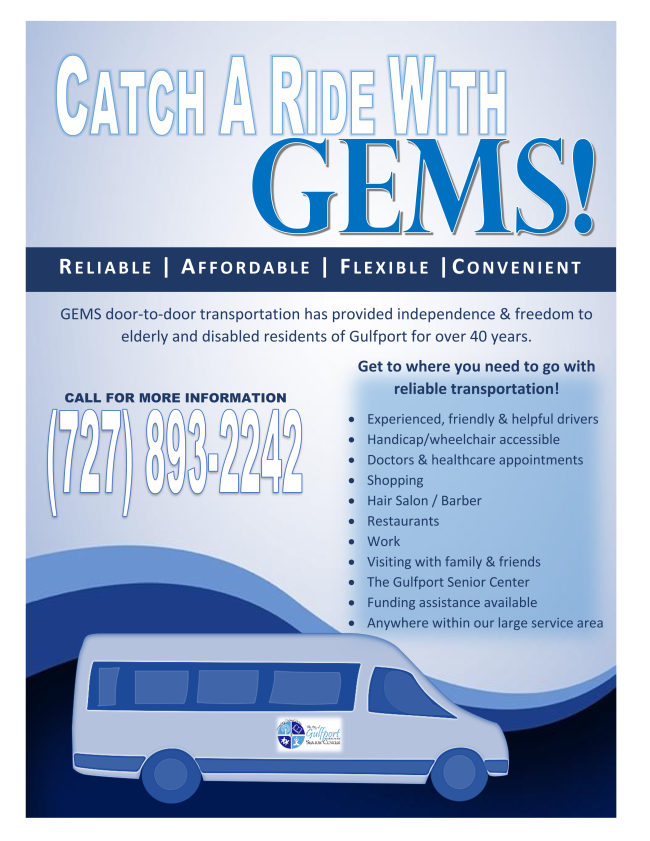
| GEMS door-to-door transportation has provided independence & freedom to elderly and disabled residents of Gulfport for over 40 years. Any Gulfport residents 65 & older or residents with a disability can take advantage of GEMS door to door service for a yearly membership of $70 plus $2 per one-way trip. For more information, call 893-2242. |
|
|
|
|
| | City of Gulfport, FL | 2401 53rd Street South | Gulfport, FL 33707 US |
|
|
|
| |
|
|








































Be the first to comment!